Featured Medical Data Transfer Solutions
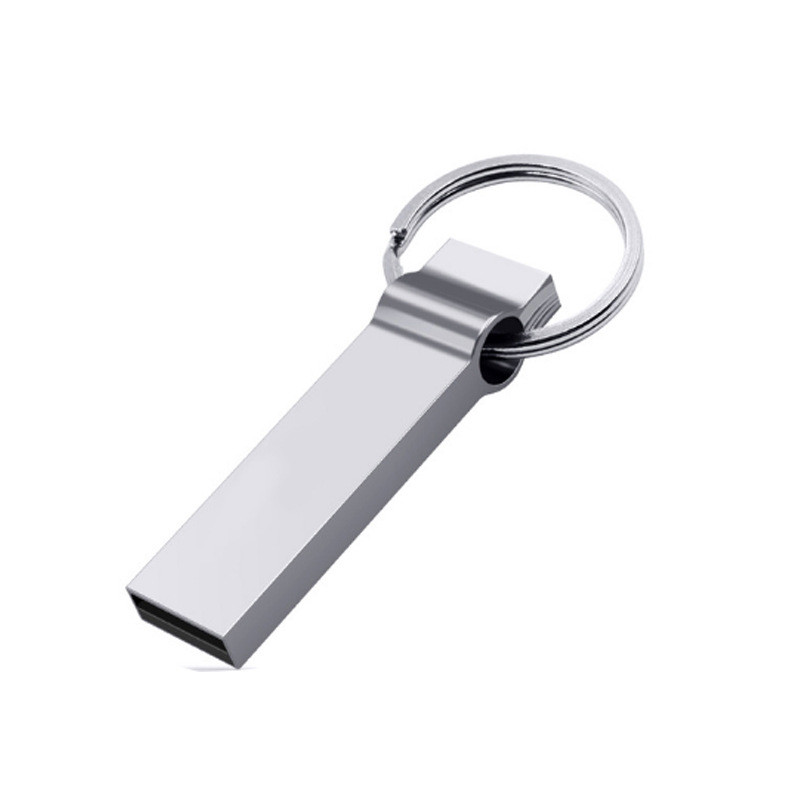
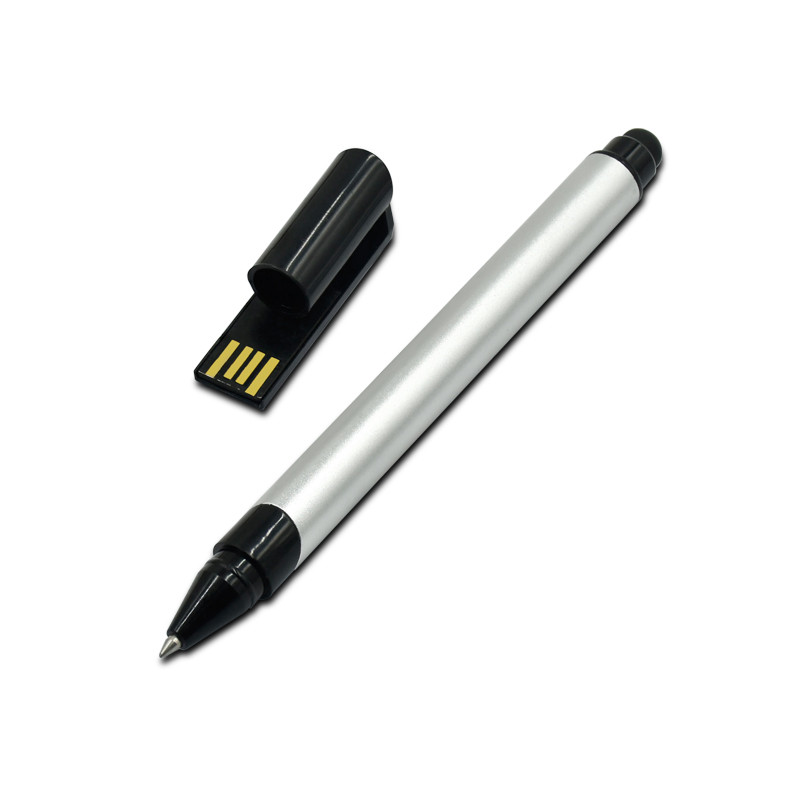
Explore our primary range of secure USB flash drives engineered for high-durability offline medical record transfers and critical database management.
The Paradigm Shift to Offline Medical Record Transfers
In an era dominated by cloud computing and interconnected Electronic Health Record (EHR) systems, the healthcare industry faces an unprecedented surge in cybersecurity threats. Hospitals, private clinics, and diagnostic centers are primary targets for ransomware syndicates. When a clinic's network is compromised, the entire digital workflow grinds to a halt, jeopardizing patient care.
This vulnerability has driven a significant resurgence in offline data transfer strategies. By utilizing physical media, specifically engineered 16GB flash drives, healthcare providers can establish an "air gap"—a security measure that ensures a computer network is physically isolated from unsecured networks, such as the public Internet or local area networks prone to lateral intrusion.
Why "Air-Gapping" Matters in Clinics
Air-gapping via physical 16GB USB drives prevents malware from traversing clinic networks. If Terminal A (e.g., an MRI workstation) is kept completely offline to protect sensitive imaging software, the only secure way to move a 12GB patient imaging folder to Terminal B (the doctor's consultation PC) is through encrypted, physical flash storage. This eliminates the risk of interceptive packet sniffing and network-based exploits.
Why 16GB is the Optimal Capacity for Clinical Workflows
Selecting the correct storage capacity for medical data transfers requires a delicate balance between security risk mitigation and operational utility. While 64GB or 128GB drives are readily available, 16GB flash drives represent the industrial "sweet spot" for clinic-to-clinic transfers due to several critical factors:
1. Risk Containment & Blast Radius
In the event of physical loss or theft of a USB drive, a 16GB capacity limits the volume of patient data exposed. A 16GB drive typically holds a single patient's complete history, including high-resolution DICOM images, whereas a larger drive might accumulate thousands of historic records, vastly increasing the potential HIPAA breach penalties if misplaced.
2. Optimized Write Speeds & Protocol Compliance
16GB drives utilizing high-quality controller chips ensure rapid read/write cycles for typical clinic files (ranging from 50MB PDFs to 8GB 3D CT scans). Because the drive is cleared and formatted regularly under strict clinical sanitization protocols, larger capacities are redundant and economically inefficient for bulk deployment.
3. Standardization & Cost-Efficiency
For healthcare systems purchasing in volume, 16GB drives offer the most cost-effective solution for establishing a standardized, single-use or single-patient transfer protocol. This facilitates easy tracking, color-coding, and disposal/destruction policies when drives reach their write-cycle limits.
Deep Dive: Critical Application Scenarios in Modern Healthcare
Let us analyze the specific clinical environments where offline 16GB flash drive transfers are not just convenient, but mandatory for maintaining operational integrity and patient confidentiality.
Scenario A: Isolation of Diagnostic Imaging Terminals (MRI, CT, PET Scans)
Diagnostic imaging hardware runs on specialized, proprietary operating systems that are often difficult to patch against modern network vulnerabilities. Connecting these multi-million dollar terminals directly to the hospital's general network exposes them to cyber threats. Radiologists use 16GB USB drives to copy raw DICOM file sets directly from the isolated imaging console, physically walking the data to the secure, network-connected workstation for physician review. This physical barrier ensures the imaging machine remains completely insulated from the Internet.
Scenario B: Inter-Clinic Referrals and Rural Healthcare Networks
In rural or community health settings, broadband internet may be unstable, slow, or entirely absent. When referring a patient from an outpatient clinic to a regional specialist, transferring large electronic health folders over a weak connection is impractical. A pre-formatted, encrypted 16GB flash drive allows the primary care physician to load the patient's comprehensive medical history—including lab results, history charts, and imaging—into a physical, secure format that the patient can carry directly to the specialist's office, ensuring zero delay in care delivery.
Scenario C: Disaster Recovery and Emergency Power Outages
When severe weather, natural disasters, or cyberattacks take down a clinic's primary servers, access to cloud-based EHRs is completely severed. In these critical moments, clinics shift to emergency protocol. Key patient registries, triage files, and active treatment plans are backed up locally onto secure 16GB flash drives. Medical staff can distribute these drives to triage stations, enabling doctors to view essential patient data on battery-powered laptops or terminals, maintaining continuity of care when the grid fails.
Technical Specifications for Medical-Grade USB Drives
Not all USB drives are suitable for medical environments. Clinical deployment requires hardware that conforms to strict data integrity and sanitation standards:
- Hardware Encryption: Built-in AES 256-bit hardware-based encryption to secure data at rest.
- Physical Sanitization Compatibility: Waterproof and chemical-resistant casings (such as zinc alloy or high-density polymer) that withstand sanitizing wipes and isopropyl alcohol.
- NAND Flash Quality: High-grade MLC or SLC NAND flash to ensure write endurance and prevent data corruption during critical transfers.
- Read/Write Speeds: USB 3.0/3.1 interface for transfer rates exceeding 100MB/s, minimizing the time medical staff spend waiting at terminals.
Compliance and Regulatory Standards
Medical data transfer procedures must align with global regulations, including the Health Insurance Portability and Accountability Act (HIPAA) in the United States and the General Data Protection Regulation (GDPR) in Europe. Utilizing unencrypted consumer-grade USB drives for patient data transfers is a severe violation. Our secure 16GB flash drives support partition encryption and secure password protection protocols, ensuring that even if a drive is physically lost, the data remains completely inaccessible to unauthorized parties.
Company Profile & Manufacturing Excellence
Show Life Co., Ltd. brings over a decade of design, customization, and manufacturing expertise to the global promotional and medical-grade hardware markets.



About Show Life Co., Ltd.
Show Life Co., Ltd. was established in 2013. We are a dedicated company providing comprehensive services to clients in the promotional gifts and customized electronics sector. Having operated in this specialized field for more than 6 years, we are highly experienced in managing urgent orders, customized specifications, and small-batch orders with precision.
Our primary focus lies in designing and manufacturing high-quality electronic products, including USB Flash Drives, Power Banks, Bluetooth Speakers, and Charging Cables. We provide extensive OEM & ODM services to clients worldwide. Our product portfolio includes several proprietary innovation design patents, with many products passing stringent CE, RoHS, and FCC certifications. We are committed to supplying high-quality, cost-efficient products tailored to your precise operating requirements.
Product and Certificate Standards
Our company is dedicated to continuous product development, leveraging our robust technical resources. We employ a large team of senior engineers and professional technical personnel to ensure research, design, and practical solutions converge seamlessly under strict quality management protocols. This rigorous approach guarantees stable, reliable, and excellent products that meet and exceed customer expectations, earning us long-term partnerships with major global clients.
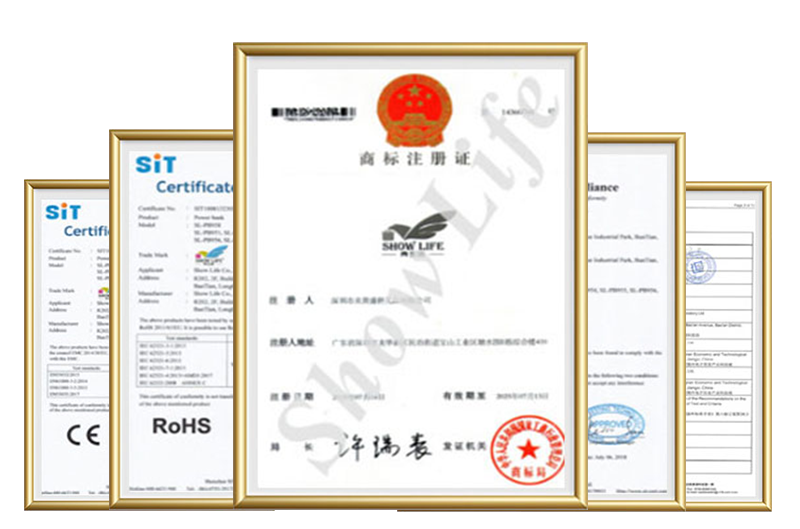
Quality is the cornerstone of our factory culture. Our dedicated QC team performs a 100% recheck on every single product before it is shipped. We hold certifications including CE, RoHS, FCC, UN38.3, MSDS, and BV certification of power banks, ensuring complete compliance for international distribution.
Our Premium Service Guarantees
With our well-trained staff and state-of-the-art production equipment, we strive to deliver unmatched value to our business partners:
- 2-3 Years Warranty: Comprehensive warranty protection across all products.
- Custom Branding: Your company logo or brand can be customized via high-precision printing, laser engraving, or custom PVC molding.
- Flexible Ordering: 24-hour rush delivery options for urgent orders; small orders are welcome.
- Client Loyalty Policies: Mutually beneficial refund and discount policies for returning clients.
- Complimentary Samples: Free samples and free artwork setup to ensure design accuracy.
- 24/7 Support: Round-the-clock online customer service to address your technical or commercial inquiries immediately.
- Replacement Guarantee: Immediate reproduction and replacement in the rare event of quality discrepancies.
Future Trends in Secure Offline Data Storage
As threat vectors evolve, the technology powering offline medical record transfers is advancing rapidly. We anticipate several key trends that will shape the next generation of secure clinical USB drives:
Biometric Access Control
Future 16GB medical drives will increasingly feature integrated fingerprint scanners directly on the casing, ensuring that only authorized clinical personnel can unlock the drive's partitions on the terminal.
Self-Destructing Firmware
To counter brute-force decryption attempts, medical-grade drives will incorporate firmware that automatically wipes all cryptographic keys (rendering data permanently unreadable) after a set number of incorrect password entries.
Audit Trail Logging
Advanced secure drives will maintain an internal, non-volatile log of every terminal ID they connect to, creating a clear physical audit trail of how patient records move through the facility.
Our Complete Product Catalog
Browse our full suite of data storage, charging, and power management solutions designed for modern commercial, industrial, and clinical environments.