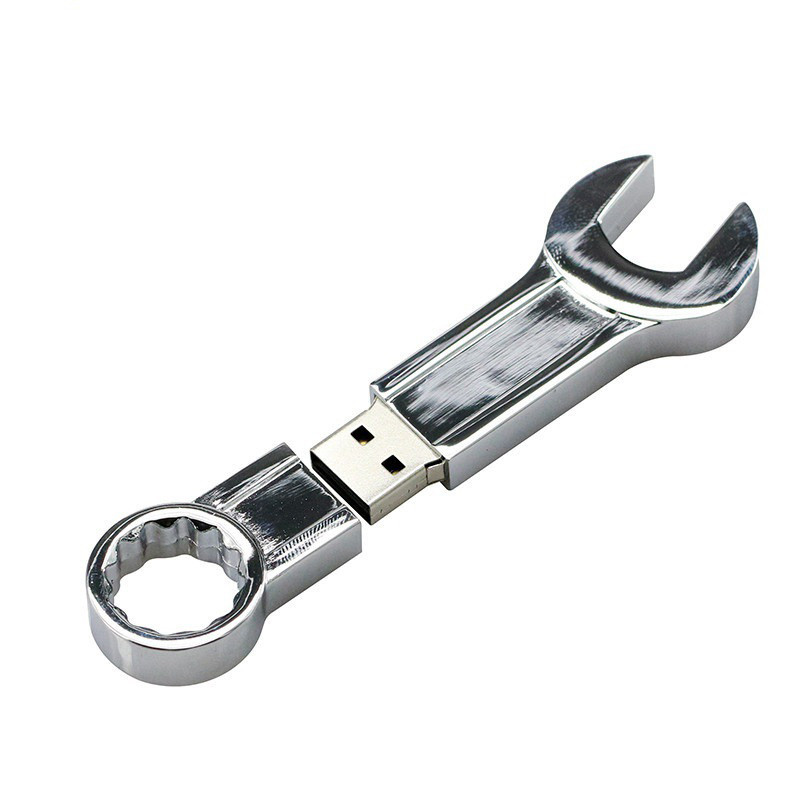
The Critical Role of Offline Storage in Modern Healthcare
In an era dominated by cloud computing and real-time database synchronization, the healthcare sector faces a paradox: the more connected medical devices become, the more vulnerable they are to cyber-attacks. Hospitals and clinics manage highly sensitive Electronic Health Records (EHRs) and Protected Health Information (PHI). When these records are transferred across local networks or public clouds, they become targets for ransomware, data breaches, and unauthorized interception. This is where the practice of using a 64 Gb flash drive for secure offline medical record transfers between clinic terminals bridges the gap between absolute security and clinical efficiency.
Using physical, offline media—often referred to as an "air-gapped" data transfer method—creates a physical barrier that online hackers cannot bypass. If a workstation terminal is not connected to the internet, it cannot be infected remotely. By physically carrying data via encrypted USB flash drives, medical personnel ensure that patient records remain entirely within the physical confines of the clinic. The 64 Gb capacity offers a strategic balance: it is large enough to hold thousands of high-resolution diagnostic images, patient histories, and operating videos, yet small enough to be easily managed, audited, and secured.
Air-Gapped Security
Completely isolates sensitive patient data from network-based exploits, ransomware, and cloud-targeted malware threats.
64 Gb Optimal Capacity
Provides ample space for heavy DICOM image files, CT scans, and comprehensive patient history databases without lag.
Regulatory Compliance
Aligns with HIPAA, GDPR, and local medical privacy acts by integrating hardware-level encryption and access control.
1Industrial Status: The Vulnerability of Online Medical Terminals
Healthcare facilities are among the most targeted entities for cybercriminals globally. According to industry reports, ransomware attacks on healthcare providers have increased exponentially over the last five years. When a hospital network is breached, clinical operations can grind to a halt, directly threatening patient care. In response, many medical institutions are segmenting their networks, isolating critical diagnostic terminals—such as MRI machines, CT scanners, and surgical planning workstations—from the general hospital intranet and the public web.
While segmenting networks protects these terminals from external exploits, it introduces a logistical challenge: how do clinicians transfer diagnostic results to consultation terminals or primary care databases? Online transfers through local networks still present vector threats if one terminal is compromised. Consequently, industrial standards are shifting back to physical, high-security storage media. The demand for specialized 64 Gb USB flash drives featuring hardware-based encryption and physical write-protection switches has surged as medical IT administrators prioritize safety over convenience.
2Deep Application Scenarios in Modern Clinics
Scenario A: Inter-Departmental Diagnostic Imaging Transfer
In a large clinical facility, diagnostic machines like magnetic resonance imaging (MRI) or computed tomography (CT) scanners generate massive datasets. A single patient scan session can produce hundreds of DICOM (Digital Imaging and Communications in Medicine) files, totaling several gigabytes. Because these diagnostic machines run on specialized, often older operating systems that lack modern security patches, they cannot be safely connected to the internet. A technician saves the data onto a secure 64 Gb flash drive, physically carries it to the physician's consultation terminal, and uploads it. The 64 Gb capacity ensures that multiple patients' high-definition scans can be transferred in a single run without running out of disk space.
Scenario B: Mobile Outreach and Field Clinics
In rural or disaster-relief medical operations, mobile clinics travel to remote locations to treat patients. These mobile units operate in environments with poor or non-existent cellular and internet coverage. Doctors must collect patient health metrics, take digital X-rays, and record treatment details offline. Before returning to the central clinic, all collected data is backed up onto a rugged, encrypted 64 Gb USB drive. Once back at the main clinic terminal, the drive is connected to sync the offline records with the central Electronic Health Record system, ensuring seamless continuity of care without relying on cellular networks.
Scenario C: Legacy System Maintenance and Software Updates
Many clinical terminals, such as blood chemistry analyzers or patient monitoring hubs, rely on legacy software configurations that are highly sensitive to network changes. Connecting these machines to a network for routine updates or data retrieval poses a significant risk of system instability. IT administrators use dedicated 64 Gb flash drives containing certified software patches and transfer configuration files directly to the machines. This offline transfer method prevents external malware execution, ensuring the critical machinery remains operational 24/7.
3Technical Requirements for Medical-Grade USB Drives
Standard consumer-grade flash drives are insufficient for clinical environments. To handle sensitive patient records, medical USB drives must meet strict technical specifications:
- Hardware Encryption: The drive must feature built-in AES 256-bit hardware encryption. Unlike software encryption, which can be bypassed or cracked on compromised terminals, hardware encryption happens on a dedicated chip inside the USB controller, prompting the user for a physical PIN or secure software password before exposing any partition.
- Antimicrobial and Cleanable Casings: Hospital environments demand strict infection control. Flash drives passed from hand to hand must withstand sterilization protocols, including alcohol wipes and UV-C sterilization, without degrading the casing or internal components.
- Write-Protection Switch: A physical write-protect switch prevents the drive from being modified when connected to potentially infected terminal PCs, ensuring that malware cannot write itself onto the drive during data retrieval.
- High Read/Write Speeds: Utilizing USB 3.0 or USB 3.1 protocols is vital. Transferring 50 Gb of diagnostic scans on older USB 2.0 drives wastes valuable clinical time. A high-speed interface ensures patient data transfers take seconds, not minutes.
4Future Trends in Secure Offline Data Transmission
The future of offline medical record transfers lies in the integration of biometric verification and smart-card technologies directly onto the USB form factor. We are beginning to see the adoption of fingerprint-activated USB drives in high-security psychiatric and surgical clinics, ensuring that only authorized medical staff can unlock the data partition. Furthermore, the convergence of USB-C interfaces across all modern tablets, smartphones, and clinic terminals means flash drives are becoming more versatile, allowing doctors to view records on secure mobile tablets right at the patient's bedside without connecting to a cloud network.
Company Profile
Show Life Co., Ltd. was established in 2013 with a clear mission: supplying premium services to clients in the promotional gifts and customized electronic hardware sector. Operating in this specialized field for more than 6 years, we have built a reputation for accepting urgent orders, customized designs, and small-batch orders tailored to specific industrial requirements.
Our primary focus is on designing and manufacturing high-quality electronic products, including secure USB Flash Drives, high-capacity Power Banks, Bluetooth speakers, and specialized charging cables. We supply comprehensive OEM & ODM services to clients worldwide. Holding multiple individual innovation design patents, our products meet international standards, including CE, ROHS, and FCC certifications, ensuring high-quality, low-cost solutions for your clinic terminal needs.



Product and Certificate
Our company continues to develop innovative products, leveraging our deep plant technology strength, senior engineers, and professional technical personnel. Our product research, design, and hardware solutions converge seamlessly under strict quality management protocols. This ensures stable, excellent product performance, allowing us to provide our customers with highly satisfactory products. Our commitment to service has made us a favored partner for large enterprise customers globally over many years.
Quality is our factory culture. Our dedicated QC team performs a 100% recheck on each product before shipping. Our power banks and storage devices are certified with CE, ROHS, FCC, UN38.3, MSDS, and BV certifications, ensuring safety and compliance across global markets.
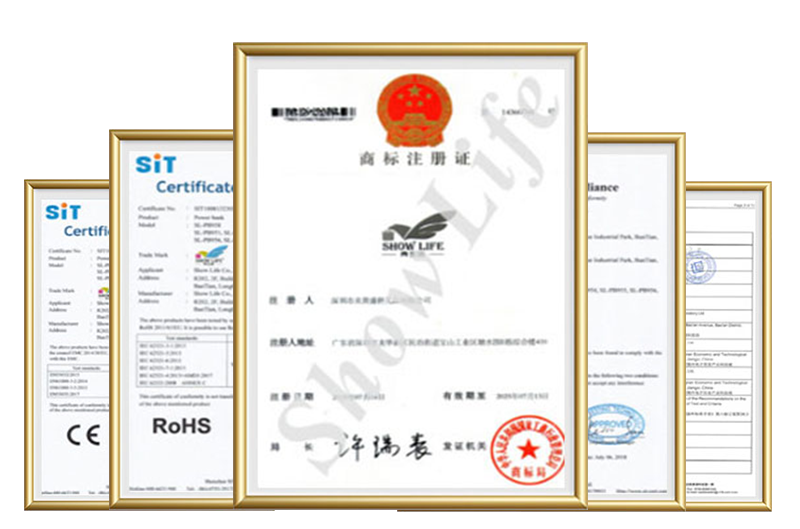
Certified Quality Standards
Our manufacturing processes align with international safety requirements, ensuring that every secure flash drive and portable power supply performs reliably in demanding clinical and industrial environments.
Our Service
With well-trained staff and professional production equipment, Show Life strives to provide industry-leading support for all customized hardware orders:
- 2-3 Years Warranty: We stand behind the build quality of all our products with a robust multi-year warranty.
- Custom Branding: Your company logo or brand can be customized, printed, laser-engraved, or molded using high-durability PVC materials.
- Urgent & Small Orders: We accept urgent orders (including 24-hour rush delivery options) and small minimum order quantities.
- Mutually Beneficial Policy: We offer attractive loyalty terms, including refund policies for long-term returning clients.
- Free Assets: We provide free physical samples and free digital artwork mockup designs before production begins.
- 24/7 Online Support: Our customer service team is online around the clock to answer your technical and sales questions.
- Guaranteed Replacement: We will proactively redo and replace products in the rare event of defects.
Our Complete Product Range
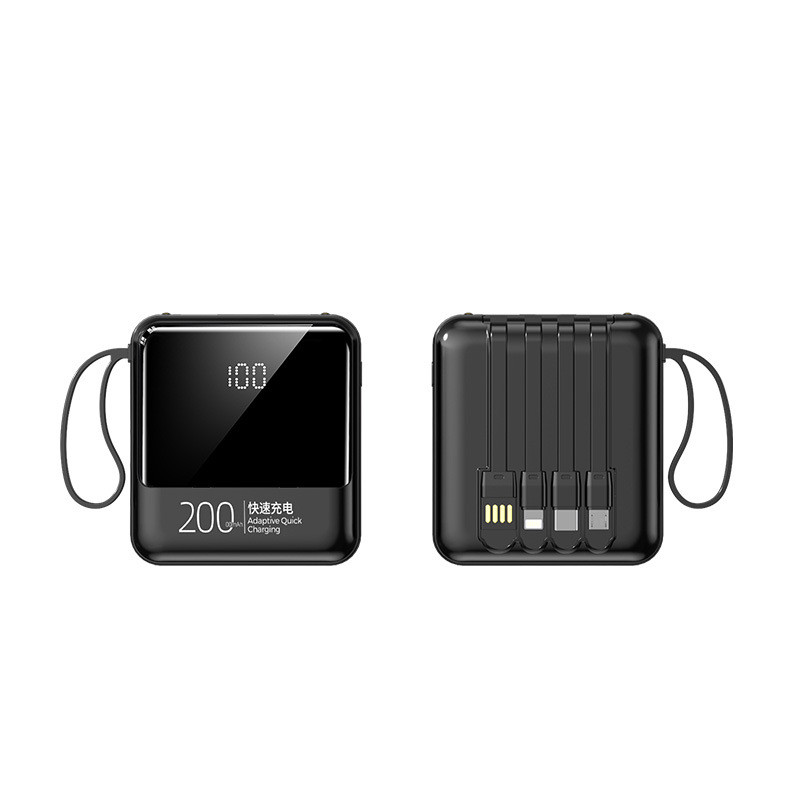
SL_PB342 Medical-Grade Terminal Power Bank
Secure Storage Box for Medical USB Flash Drives
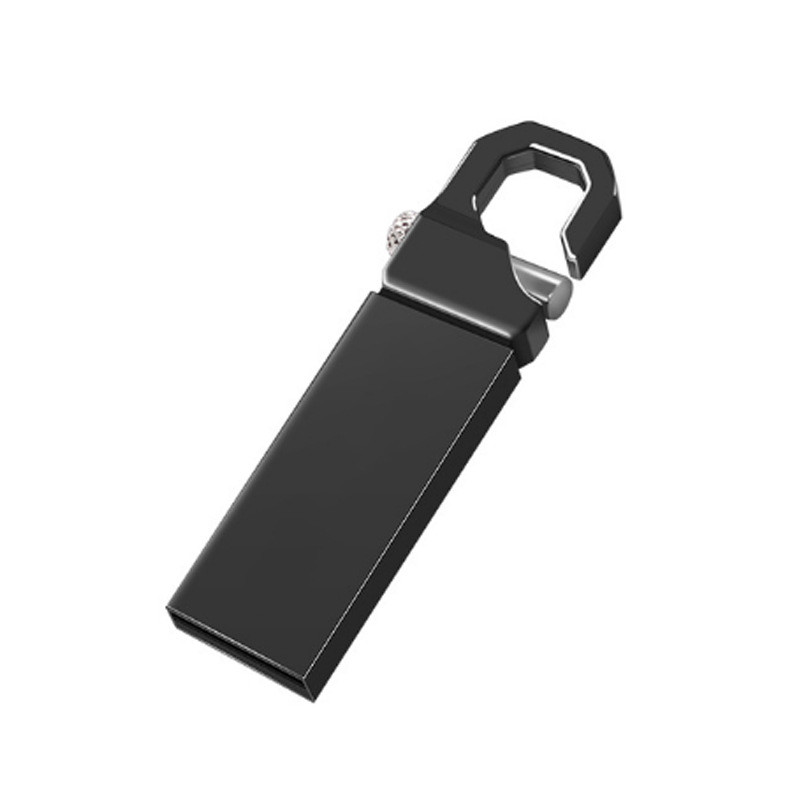
The Ultimate 64 Gb Secure Medical Flash Drive
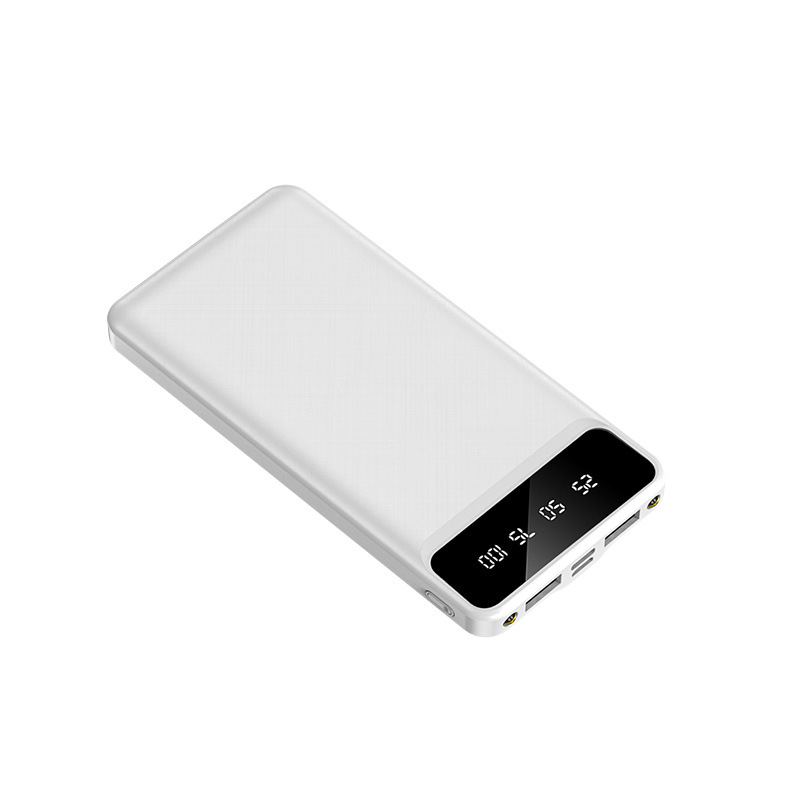
20000mAh Portable Power Bank for Clinic Terminals
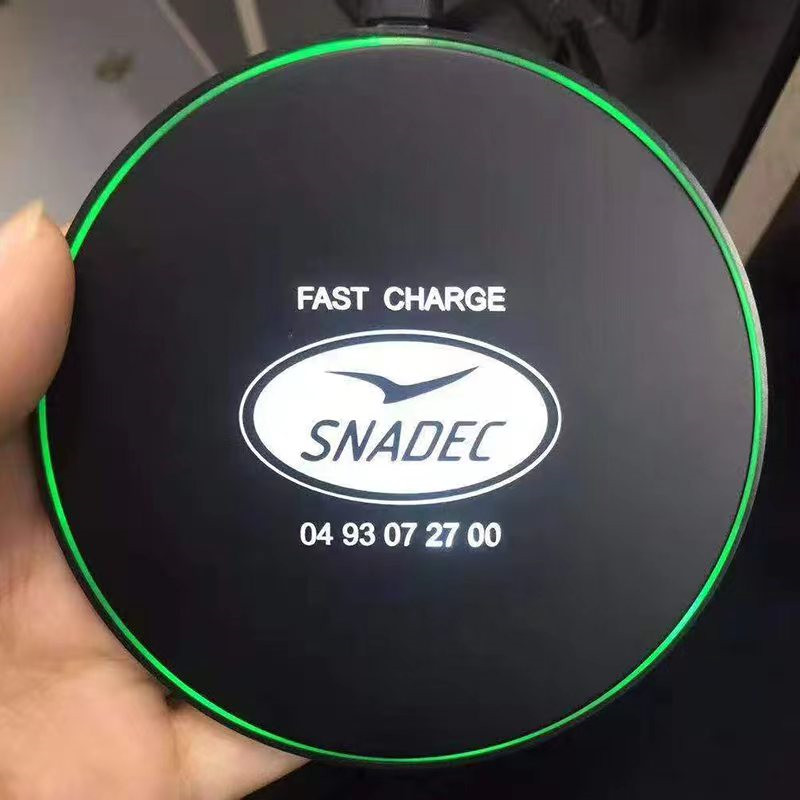
Clinic Desk Wireless Charger with Status LED
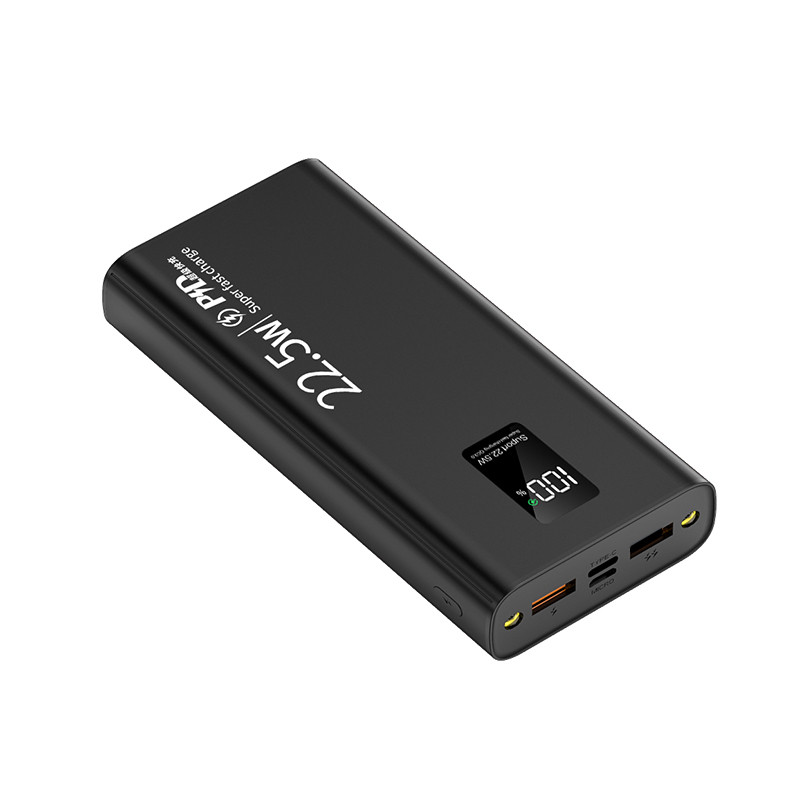
High-Quality SL_PB34 64 Gb Medical Flash Drives
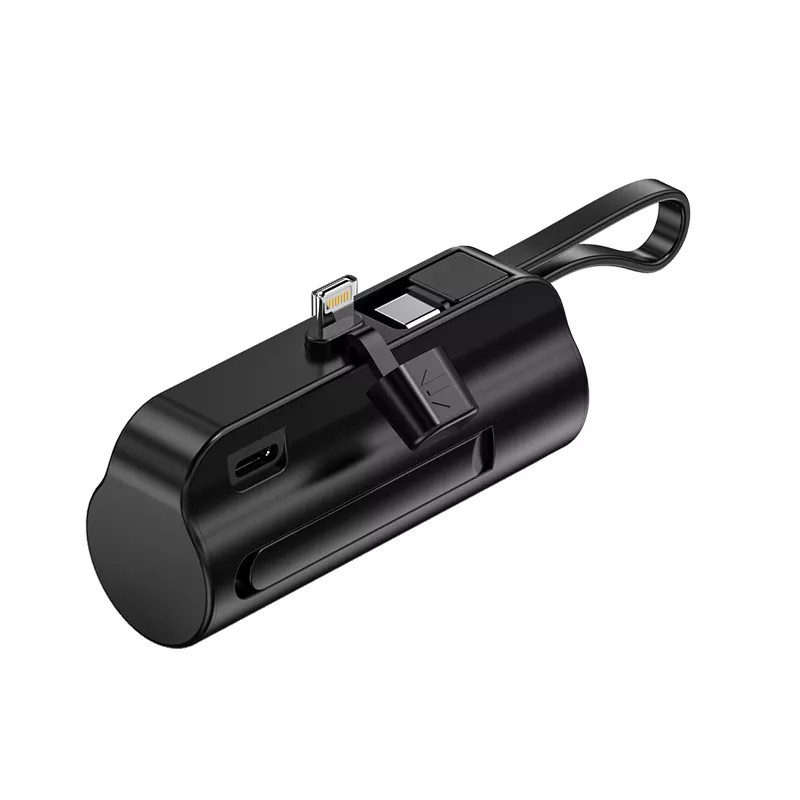
Top 10 Best-Selling SL PB009 Secure Flash Drives