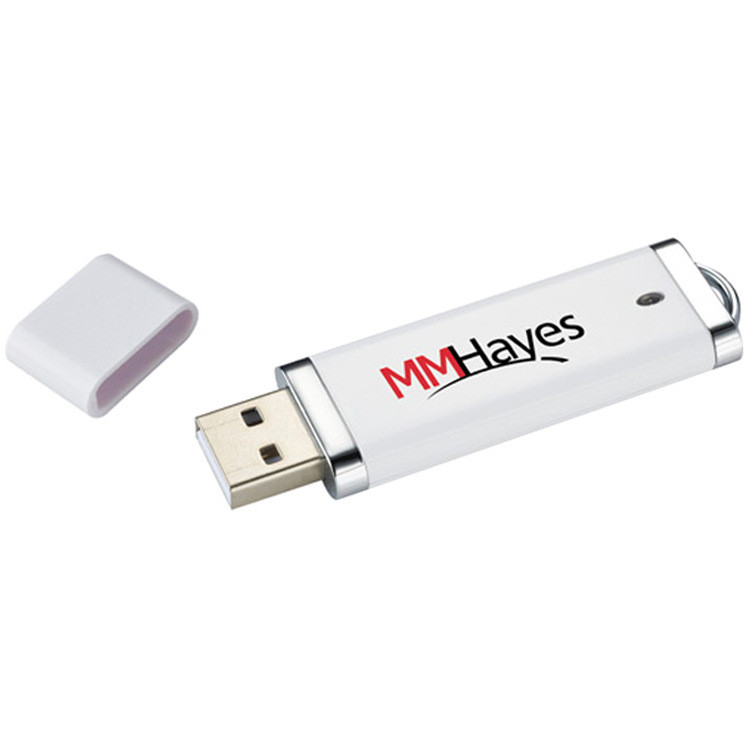
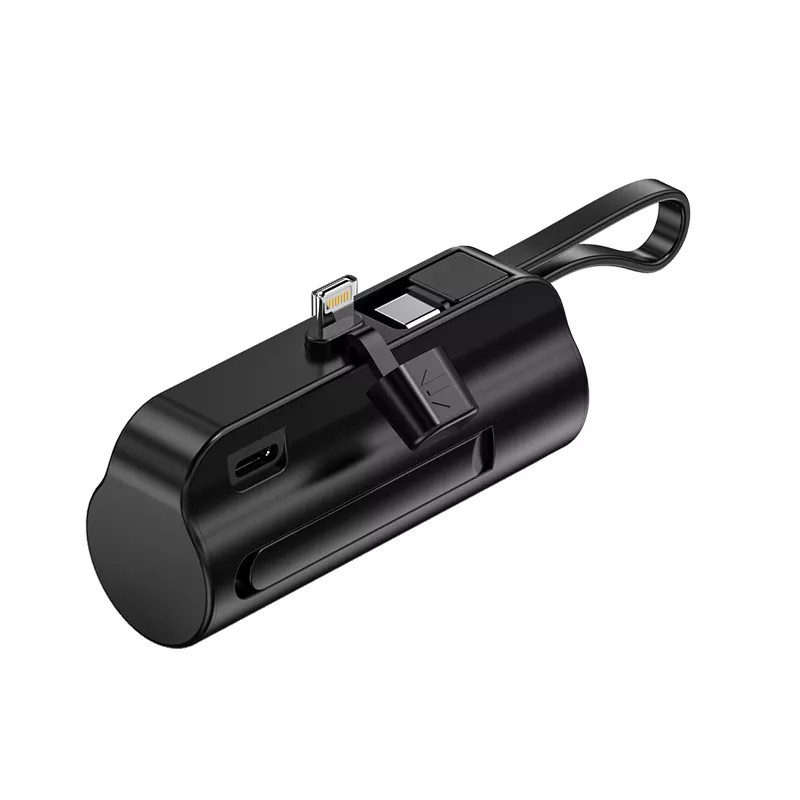
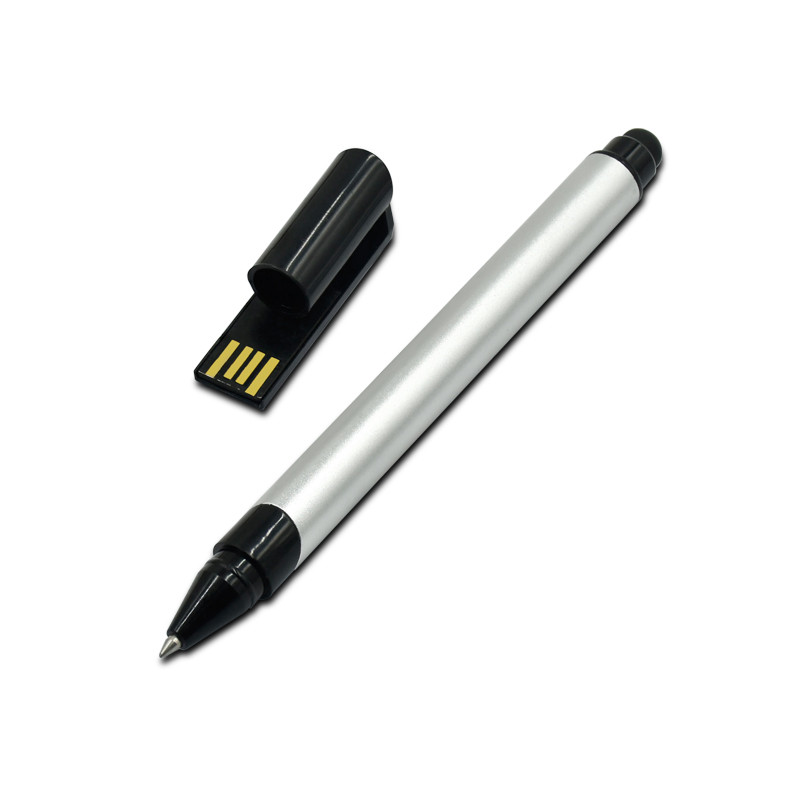
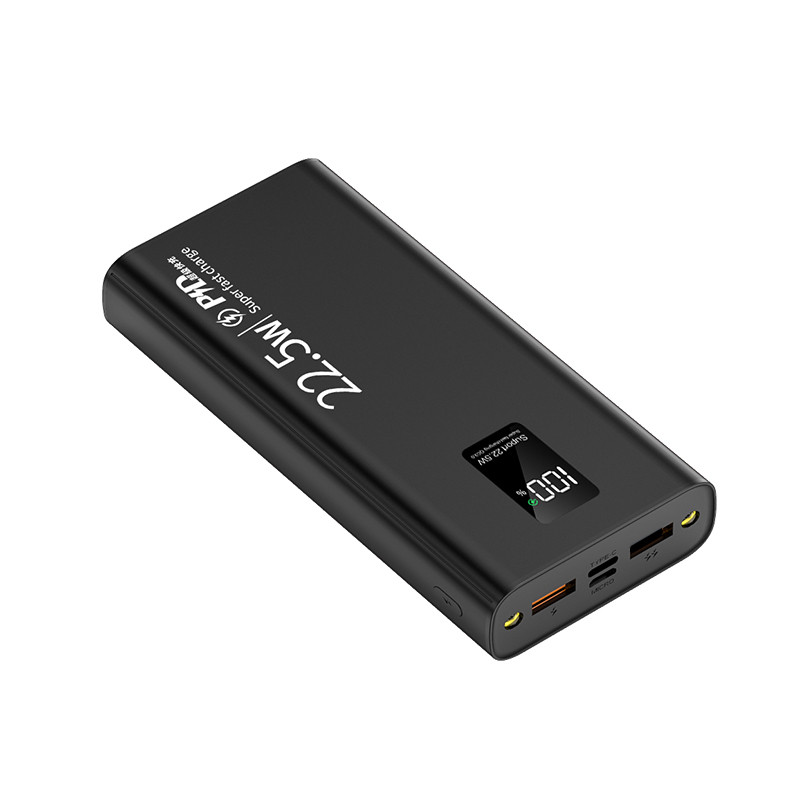
Featured Media Storage & Power Hardware
The Commercial Landscape of 16GB Pendrives in Modern 4K Video Production
In an era dominated by multi-terabyte SSDs and cloud storage networks, the humble Pendrive 16 Gb continues to hold a critical, irreplaceable position in the ecosystem of professional video production and media archiving. While large-scale camera packages capture RAW footage onto high-speed CFexpress or SSD media, the logistical pipeline of a film set requires segmented, secure, and physically isolated storage devices for intermediate tasks.
For Digital Imaging Technicians (DITs), editors, and producers, a 16GB USB flash drive represents the optimal size-to-cost ratio for transferring metadata, color lookup tables (LUTs), camera reports, edit decision lists (EDLs), and highly compressed H.264/H.265 proxy files. Cloud transfers are often limited by local network bandwidth on remote locations, making physical transport via high-performance USB drives the fastest and most secure method of distribution.
Why 16GB is the Industry Standard for On-Set Metadata and Proxy Transport
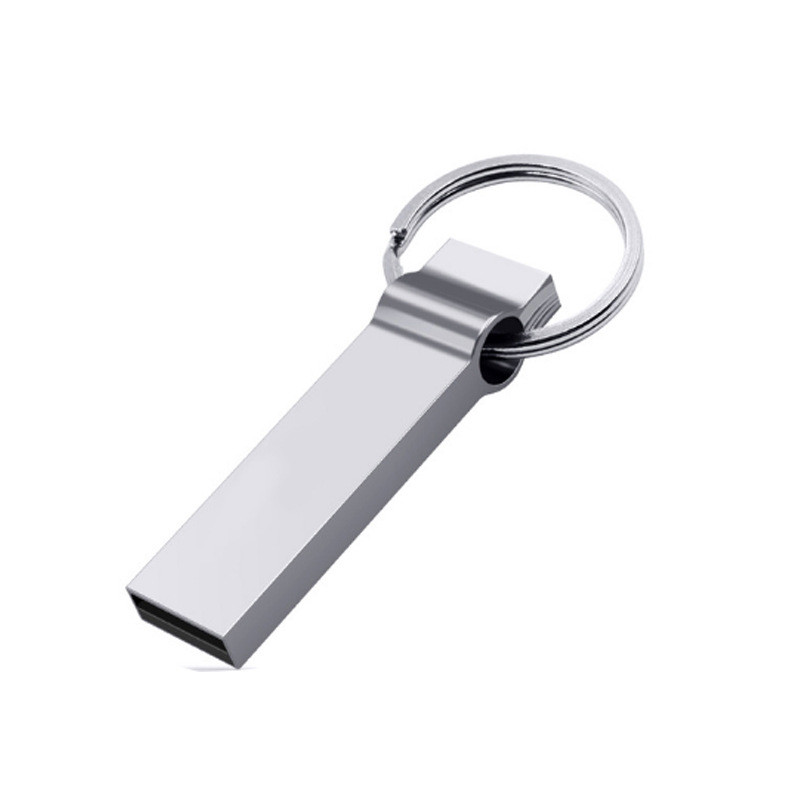
Unlike consumer storage, industrial-grade 16GB pendrives are engineered with high-quality NAND flash controllers that ensure data integrity under extreme temperature variations, vibration, and repeated insertion cycles. They serve as physical "air-gapped" data bridges, protecting valuable pre-production files and camera firmware updates from cyber threats.
Deep-Dive Application Scenarios in Professional Media Workflows
1. Camera Firmware Deployment & Rig Configuration
Modern cinema cameras from manufacturers like RED, ARRI, and Sony require periodic firmware updates to unlock new codecs, frame rates, and autofocus algorithms. Because these cameras run proprietary operating systems, they are highly sensitive to storage partition structures. A dedicated 16GB pendrive formatted to FAT32 or exFAT is the universally accepted standard for loading system firmware. It provides a clean boot environment free from bloated files, preventing system crashes during critical camera setup phases on multi-million dollar shoots.
2. Proxy File Delivery for Non-Linear Editors (NLEs)
During a shoot, camera operators record massive 4K or 8K RAW files. Simultaneously, the camera or an external recorder generates lightweight "proxy" files (usually 1080p ProRes Proxy or DNxHR). A single day of shooting can yield hundreds of gigabytes of RAW footage, but the corresponding proxy files rarely exceed 10 to 12 GB. A 16GB pendrive is the perfect physical medium to hand off to the lead editor or director at the end of each day, allowing immediate offline editing to begin while the RAW files undergo slow, secure backup to LTO tapes or RAID arrays.
3. Color Grading & Audio Post-Production Hand-offs
Once the edit is locked, the project moves to color grading and sound design. Colorists require LUT files, CDL (Color Decision List) data, and XML timelines to reconstruct the project in DaVinci Resolve or Baselight. Sound designers need OMF or AAF audio exports. These metadata files are small but critical. Using a physical 16GB USB drive ensures that these files do not get lost in cluttered email threads or slow cloud download queues, providing a physical hand-off point that confirms the completion of a production milestone.
4. Long-Term Air-Gapped Media Archiving
For media archiving, security is paramount. Storing master encryption keys, digital certificates, and index databases of LTO tape libraries on network-attached storage leaves them vulnerable to ransomware attacks. Archival facilities utilize write-protected 16GB pendrives to store these critical access keys offline. Placed in fireproof safes alongside the physical film reels and tapes, these pendrives guarantee that future generations can decrypt and access historical 4K media archives.
Technological Trends: USB 3.0, Type-C, and High-Density NAND Flash
The evolution of the pendrive has kept pace with the demanding requirements of digital media production. Modern 16GB drives are no longer limited to the slow write speeds of USB 2.0. The integration of USB 3.0/3.1 Gen 1 interfaces allows for read speeds exceeding 150 MB/s, meaning a full 16GB transfer can be completed in less than two minutes.
Dual Interface Versatility
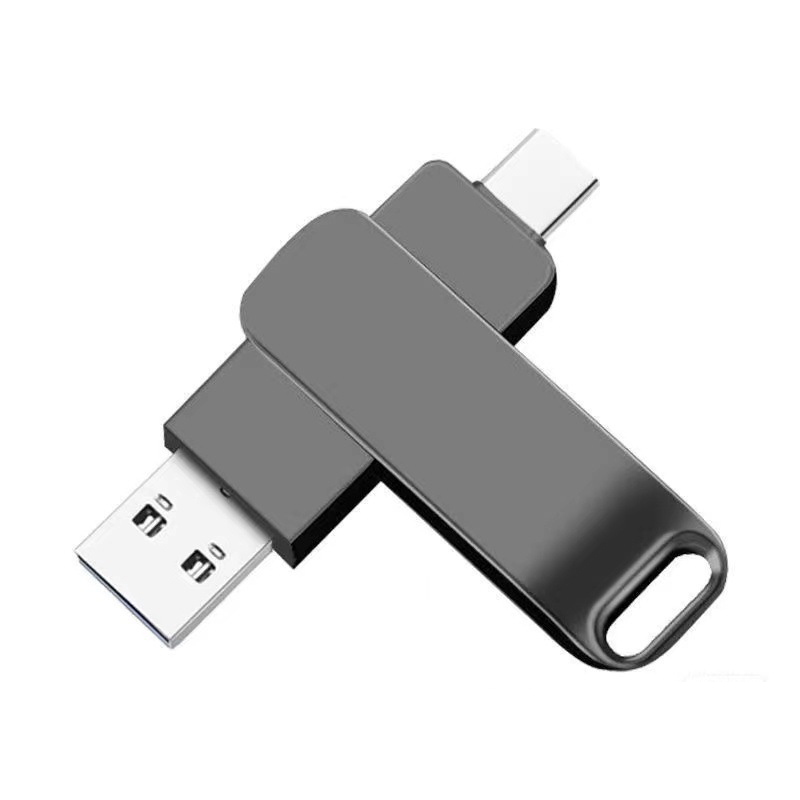
The rise of USB Type-C and OTG (On-The-Go) technologies allows the same 16GB pendrive to connect seamlessly to iPad Pro field monitors, Android smartphones, modern MacBooks, and legacy studio workstations without adapters.
Industrial Durability
On-set environments are notoriously harsh. High-end pendrives now feature UDP (USB Disk in Package) technology, which integrates the flash chip, controller, and passive components into a single solid piece, making the drive waterproof, dustproof, and shockproof.
Hardware-Level Encryption
To prevent leaks of unreleased cinematic footage, modern secure pendrives incorporate AES 256-bit hardware-level encryption, ensuring that even if a drive is misplaced on set, the intellectual property remains protected.
Company Profile
Show Life Co., Ltd. was established in 2013 with a vision to supply top-tier services to clients in the promotional gifts and customized electronics market. Having operated in this field for more than 6 years, we have built a reputation for agility, reliability, and precision. We specialize in handling urgent orders, customized designs, and flexible small-batch orders to meet the tight deadlines of the media and entertainment industries.
Our primary focus is on designing and manufacturing high-quality electronic products, such as USB Flash Drives, Power Banks, Bluetooth Speakers, and Charging Cables. We supply comprehensive OEM & ODM services to clients worldwide. Through continuous innovation, we have secured several individual design patents, and our product line complies with international standards, passing CE, ROHS, and FCC certifications. This allows us to supply high-quality, low-cost products tailored to your exact technical specifications.



Product Quality & Certification
At Show Life Co., Ltd., we continuously develop new products and strengthen our manufacturing technology. We employ a large number of senior engineers and professional technical personnel to ensure that product research, design, and hardware solutions converge seamlessly. Our strict quality management protocols guarantee stable, excellent product performance. We strive to provide our B2B customers with products that exceed expectations, which is why we have earned the long-term trust of many major international clients.
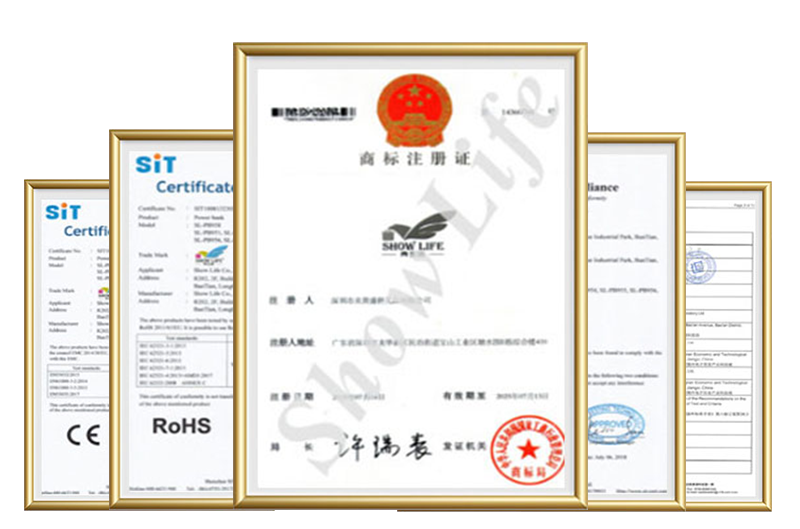
Quality is our factory culture. Our internal Quality Control (QC) team rechecks 100% of the products before they leave our shipping facility. Our power banks, USB drives, and charging accessories are certified with CE, ROHS, FCC, UN38.3, MSDS, and BV certifications, ensuring safe transport and compliance for global markets, including South Africa (SA), Europe, and North America.
Our Dedicated Service Standards
With well-trained staff and state-of-the-art professional production equipment, Show Life Co., Ltd. strives to deliver unmatched service in the custom storage industry:
- 2-3 Years Warranty: Full warranty coverage for all products, ensuring long-term reliability for your media archiving projects.
- Custom Branding & Molding: Your company logo or production studio brand can be customized via high-precision printing, laser engraving, or custom PVC 3D shaping.
- Urgent Order Support: We offer a 24-hour rush delivery option for urgent orders, and we gladly accept small-batch customized orders.
- Client-First Policies: Mutually beneficial policies including refund structures for returning clients.
- Free Samples & Artwork: We provide free digital proofs and physical samples to ensure design accuracy before mass production.
- 24/7 Online Support: Around-the-clock availability to answer technical specifications, pricing queries, or shipping updates.
- Defect Replacement: In the rare event of a defective unit, we will immediately redo and ship new products to replace them.
Choosing the Right Pendrive 16 Gb for Video Production Workflows
When sourcing 16GB USB flash drives in bulk for a production house or broadcasting agency, several technical aspects must be evaluated to ensure that the drives can handle the rigorous demands of video editing and camera metadata management:
NAND Flash Grade
Opt for drives utilizing Tier-1 MLC (Multi-Level Cell) or SLC (Single-Level Cell) flash memory. These grades offer significantly higher write cycles and lower error rates compared to cheaper TLC or QLC alternatives, which is vital for repeated file transfers on set.
Controller Architecture
A high-quality controller ensures sustained read/write speeds. Cheap drives often experience thermal throttling, dropping transfer speeds to a crawl. Show Life USB drives use premium controllers that maintain stable throughput during large file transfers.
File System Compatibility
Ensure the drives can be formatted to exFAT for cross-platform compatibility between macOS (common in editing suites) and Windows/Linux (common in DIT carts and rendering farms), handling files larger than 4GB seamlessly.
Complete Media Storage & Power Product Catalog