Featured In-Car Digital Audio Storage Solutions
The Evolution of Digital Music Storage in Modern Vehicles
The modern automobile has evolved from a simple mode of transportation into a sophisticated, connected mobile living space. At the center of this transformation is the In-Vehicle Infotainment (IVI) system. While streaming services have gained immense popularity, the use of a removable USB disk for digital music library storage in automobile entertainment systems remains a cornerstone for audiophiles, long-distance travelers, and everyday drivers alike. Local USB storage guarantees uninterrupted, high-fidelity audio playback, completely independent of cellular network coverage or expensive streaming data plans.
Why Local USB Storage Wins Over Streaming
Unlike cloud streaming services that compress files to save bandwidth, a physical USB flash drive allows drivers to store uncompressed, studio-quality lossless audio formats (such as FLAC, WAV, and ALAC). This ensures that premium aftermarket or factory-installed car sound systems perform at their absolute peak potential, delivering deep bass, clear mids, and sparkling highs without digital artifacts.
Historically, in-car entertainment relied on physical media like magnetic cassettes and compact discs (CDs). These media were prone to physical wear, skipping due to road vibrations, and severely limited storage capacities. The introduction of USB ports in dashboards marked a paradigm shift. Today, a single ultra-compact USB flash drive can house tens of thousands of high-resolution songs, replacing hundreds of CDs while taking up virtually zero space in the glove compartment or center console.
Industrial-Grade Reliability: Surviving the Automotive Environment
Using a USB drive in a vehicle is vastly different from using one in a climate-controlled home or office. Automotive environments place extreme stress on electronic components. A removable USB disk designed for digital music storage in cars must meet stringent industrial-grade expectations to prevent data corruption and hardware failure.
1. Extreme Temperature Fluctuations
Vehicles parked outdoors are subjected to blistering summer heat and freezing winter cold. Interior cabin temperatures can range from -40°C to over 85°C (-40°F to 185°F). Standard consumer-grade USB drives often fail under these conditions as their controller chips overheat or their solder joints weaken. Automotive-grade USB disks utilize specialized NAND flash memory and thermal-resistant components to ensure continuous operation under extreme thermal stress.
2. Constant Shock and Vibrations
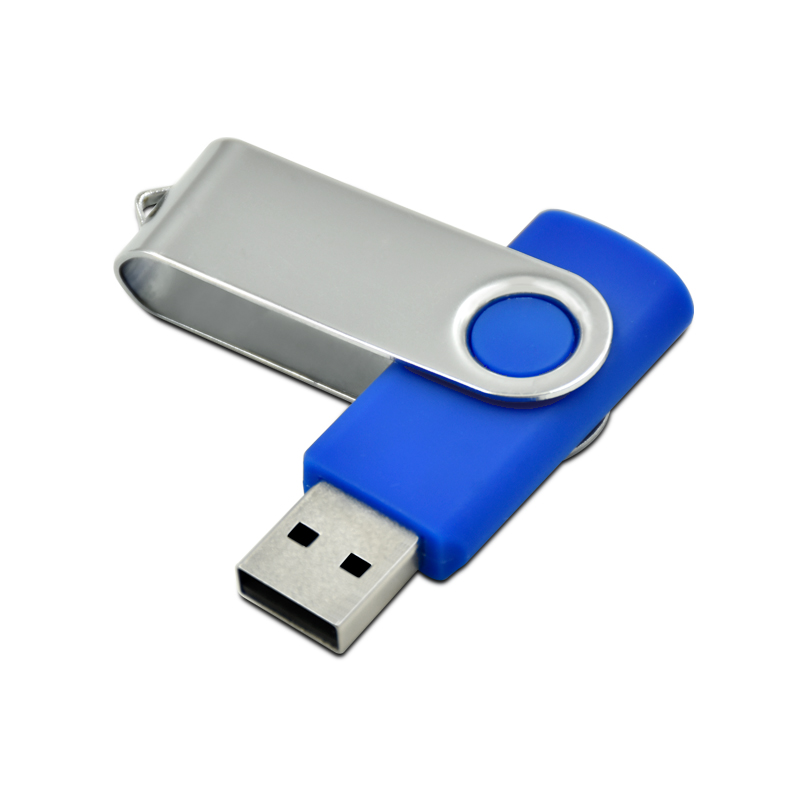
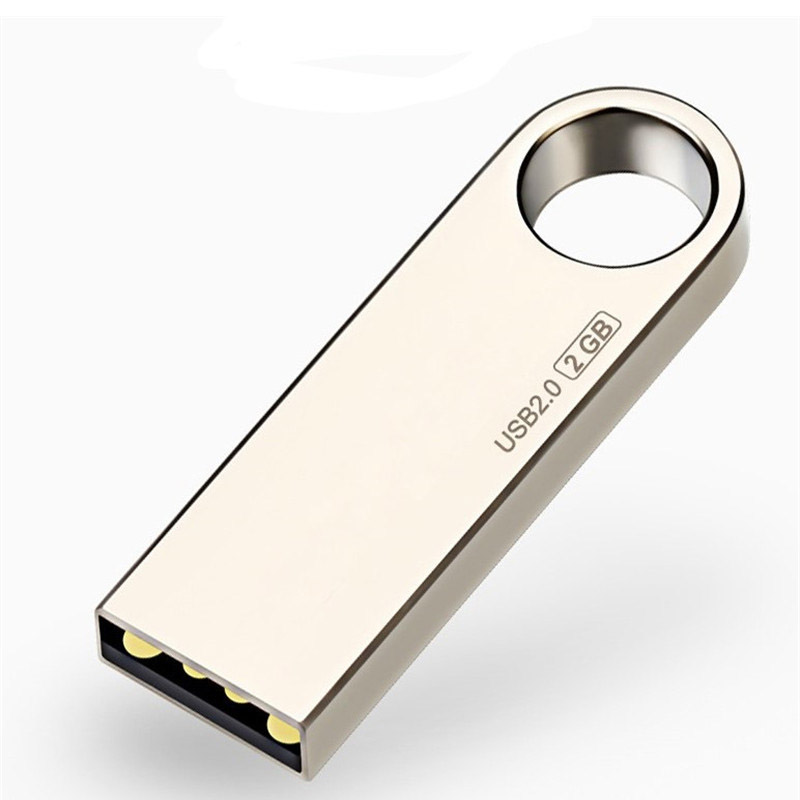
Road imperfections, engine vibrations, and sudden braking place physical stress on the USB port and the drive itself. A bulky, heavy USB drive can easily bend or break the internal contacts of the car's USB female port. This has driven the industry trend toward low-profile, "fit-and-forget" USB drives that sit flush against the dashboard or center console, minimizing leverage and physical wear.
Data Retention and Power Interruption Protection
Car engines are frequently turned on and off, causing sudden power cuts to the infotainment system. Standard USB drives can suffer from data corruption if power is cut during a read/write cycle. Advanced automotive USB controllers feature built-in power loss protection (PLP) and robust error-correcting code (ECC) algorithms to protect the integrity of the digital music library.
Commercial Trends & Deep Application Scenarios
The commercial market for automotive USB storage is expanding rapidly, driven by the integration of high-resolution audio systems in electric vehicles (EVs) and smart luxury cars. Brands like Tesla, BMW, and Mercedes-Benz design their cabins around high-fidelity acoustics, creating a direct demand for high-capacity local storage media.
High-Resolution Audio (Hi-Res) Integration
As car manufacturers partner with premium audio brands (such as Burmester, Bang & Olufsen, Harman Kardon, and Bose), standard MP3 files no longer suffice. Drivers are curating vast music libraries in FLAC or DSD formats. A single 24-bit FLAC album can exceed 1GB in size. Consequently, the demand for high-speed, high-capacity USB-C and USB-A drives (ranging from 128GB to 512GB) has skyrocketed, allowing users to carry their entire lossless music archive wherever they go.
Dual-Purpose Storage (Music & Dashcam/Sentry Mode)
Modern vehicles use USB ports not just for entertainment, but also for security. For instance, Tesla's Sentry Mode and built-in dashcams require high-speed, continuous write capabilities. A premium, high-end USB disk must partition its storage to simultaneously handle continuous video recording and high-speed audio streaming. This dual-use scenario demands write speeds and endurance cycles that only top-tier flash memory can provide.
Customized Promotional Solutions for the Automotive Sector
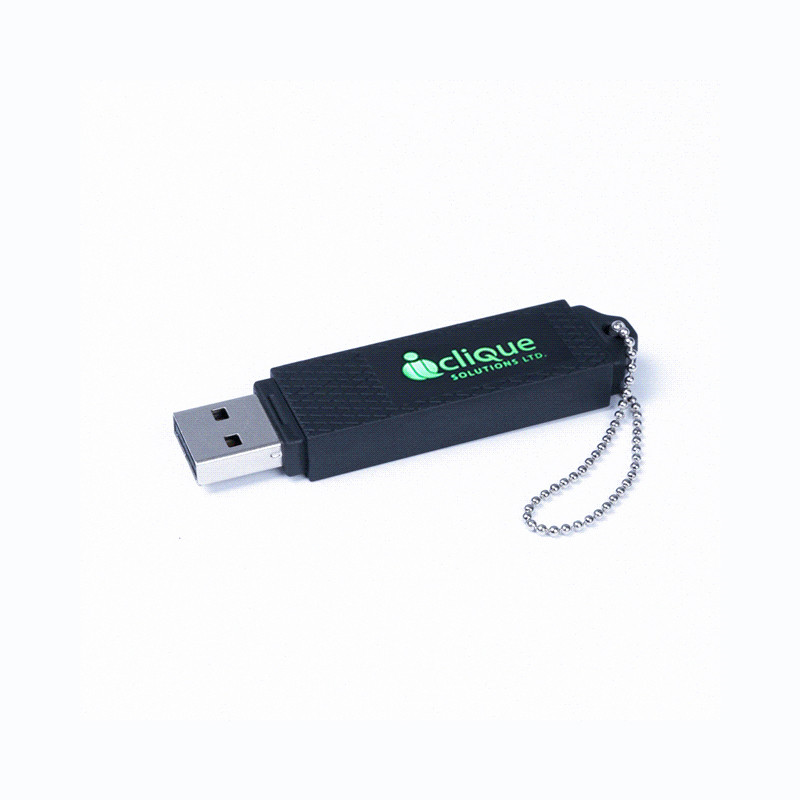
From a business-to-business (B2B) perspective, customized USB drives have become highly valued promotional gifts for car dealerships, automotive clubs, and audio installation shops. Offering a pre-loaded, branded USB disk containing high-quality audio tracks or user manuals adds immense perceived value to new car buyers, serving as a long-lasting marketing tool that remains plugged directly into the customer's dashboard.
Company Profile & Manufacturing Capabilities



Show Life Co., Ltd. established in 2013. It is one company with supplying services to client on promotional gifts area. We have been in this field more than 6 years, we accept urgent orders, customized orders and small orders.
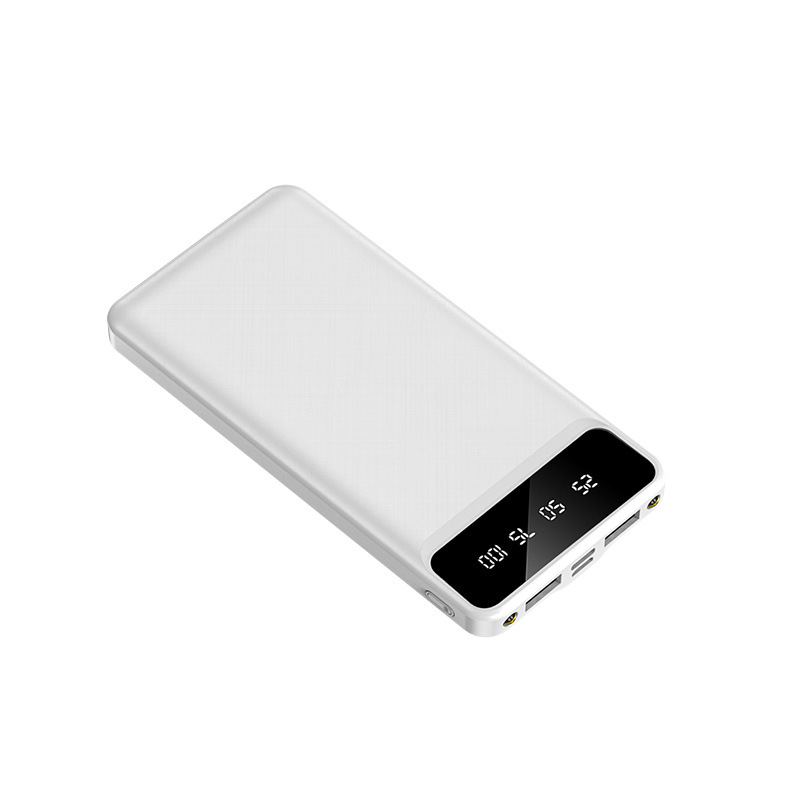
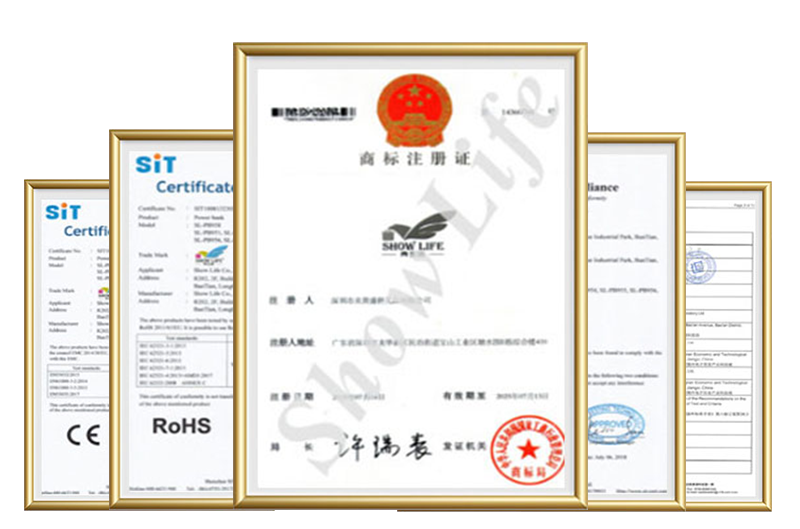
Our focus is on designing and manufacturing electronic products with high quality, such as USB Flash Drives, Power banks, Bluetooth speaker, Charging cable etc. At the same time, we supply OEM & ODM services to whole world clients, and we have some individual innovation design patent products, some of them passed CE, ROHS, FCC certification. we can supply high quality, low-cost products for you.
Product and Certificate
Our company continue to develop new product, plant technology strength, and has a large number of senior engineers and professional technical personnel, products research and design, product solutions closely convergence, strict quality management. Ensure a stable and excellent product, we try to provide customers with satisfactoried products. Our good service is favor by lot large customer deeply in many years.
Quality is our factory culture. Our QC 100% recheck each products before shipping. Certified with CE, ROHS, FCC, UN38.3, MSDS, BV certification of power bank for SA and other certificates.
Our Service
With well-trained staffs and professional production equipment, We strives to provide:
- 1) 2-3years warranty for all products.
- 2) Your company logo/brand can be customized print /laser or shaped with PVC material.
- 3) Urgent orders (24 HOURS rush delivery), small orders are accepted.
- 4) Mutually beneficial policy such as refund money to old clients.
- 5) Free samples, free artwork.
- 6) 24hours online, your any questions can be replied.
- 7) Redo new products for you when have few bad products.
Optimizing USB Disks for Automotive Head Unit Compatibility
To ensure a seamless user experience, formatting and file system configuration are critical. Most automotive entertainment systems run on proprietary Linux-based operating systems, QNX, or Android Automotive OS. Understanding compatibility parameters prevents the common "USB Device Not Recognized" error.
File System Formatting: FAT32 vs. exFAT vs. NTFS
- FAT32: The most universally compatible file system. Virtually every car head unit, old or new, can read FAT32. However, it is limited to a maximum file size of 4GB and partition sizes up to 2TB, which is generally sufficient for music files but restrictive for high-definition video.
- exFAT: Supported by most modern infotainment systems (manufactured after 2018). It overcomes the 4GB file size limit and is optimized for high-capacity flash memory drives.
- NTFS: Primarily used in Windows environments. Many automotive systems do not natively support NTFS, leading to read errors.
Audio Codec and Metadata Tagging
A premium USB music library relies heavily on proper metadata (ID3 tags) for song titles, artists, album art, and track numbers. Modern car infotainment displays parse this metadata to present a clean, searchable user interface on the dashboard screen. Ensuring your USB drive features fast read speeds (USB 3.0 or higher) allows the car's system to quickly index thousands of tracks, preventing lag when browsing through artists or folders.