1. The Critical Imperative for Secure Offline Medical Record Transfers
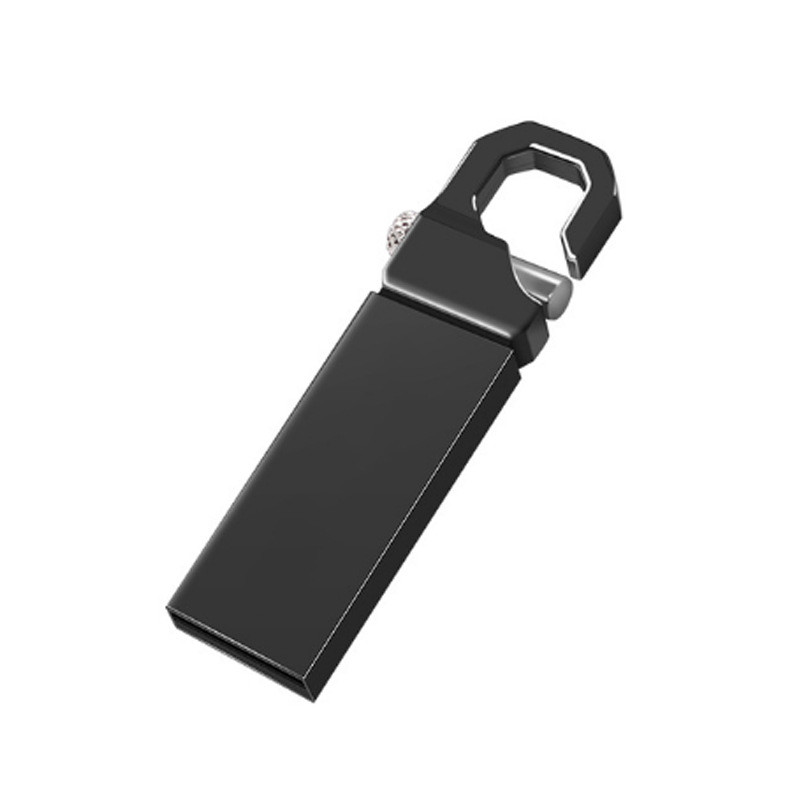
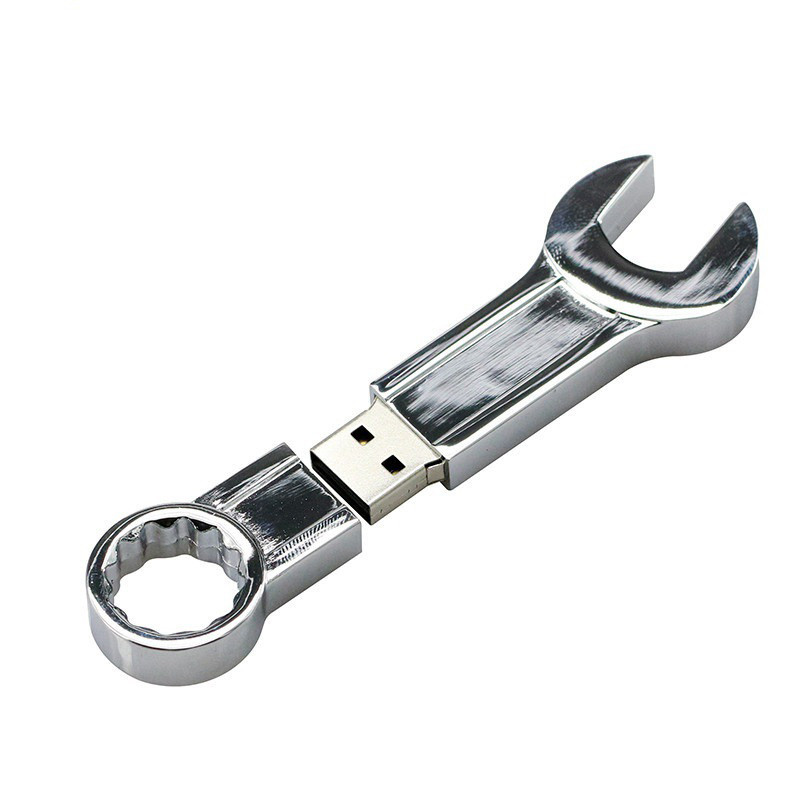
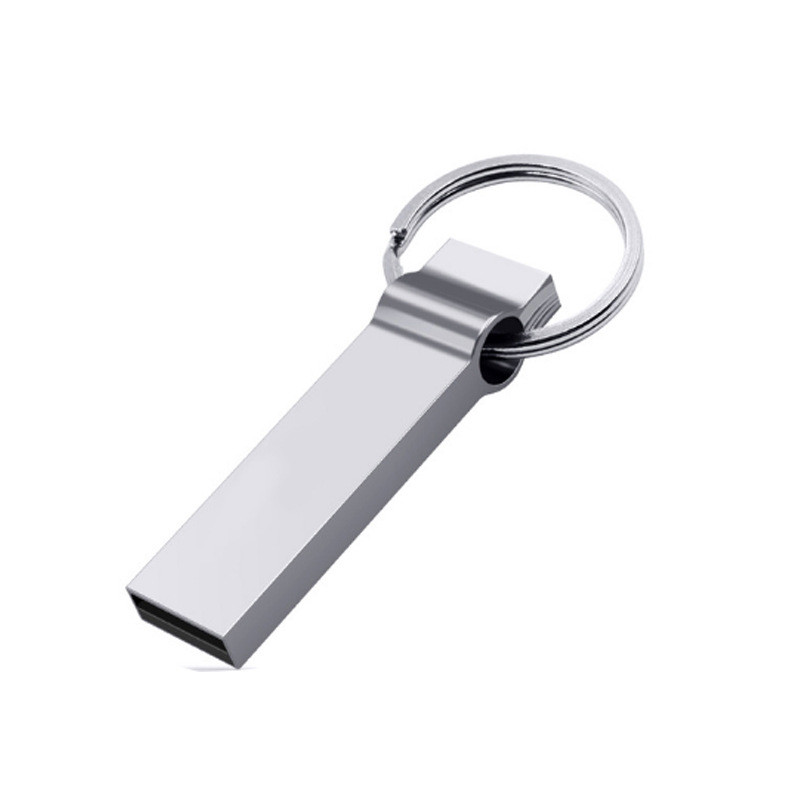
In an era dominated by cloud computing and interconnected health networks, the vulnerability of medical infrastructure to cyberattacks has reached unprecedented levels. Hospitals, diagnostic centers, and local clinics are primary targets for ransomware syndicates. When a clinic network is compromised, the entire digital pipeline freezes, halting patient care and risking sensitive Electronic Health Records (EHR). This is where the concept of air-gapping via a specialized USB disk drive for secure offline medical record transfers between clinic terminals becomes an indispensable operational buffer.
Air-gapping is a security measure that ensures a computer network is physically isolated from unsecured networks, such as the public internet or an unsecure local area network. By utilizing high-security USB flash drives, clinics can transfer diagnostics, imaging data, and patient histories between isolated terminals (such as MRI workstations, local lab databases, and administrative computers) without exposing these systems to external online threats. This method eliminates the vector of network-based lateral movement, which is the primary way malware spreads across a hospital's digital infrastructure.
According to healthcare cybersecurity reports, over 70% of medical device vulnerabilities are exploited via local network connections. Physical, encrypted offline transfer remains one of the most reliable fallback mechanisms to maintain clinic continuity during network outages or cyber emergencies.
2. Key Security Features of Medical-Grade USB Disk Drives
Standard consumer-grade USB flash drives are unsuitable for clinical environments. They lack the encryption, durability, and access controls required to comply with strict medical privacy laws. A dedicated medical-grade USB disk drive must incorporate several layers of defense:
Hardware-Based Encryption
Unlike software encryption, which can be bypassed by sophisticated malware or brute-force attacks, hardware-based encryption (such as AES 256-bit in XTS mode) performs all cryptographic operations directly on the USB controller. The encryption keys never leave the device hardware, rendering data completely unreadable if the drive is lost or stolen.
Physical Security and Write-Protection Switches
To prevent cross-contamination of malware between terminals, secure medical USB drives often feature physical write-protection switches. When enabled, a terminal can read the patient records from the drive but cannot write, modify, or inject any code onto the drive. This prevents a compromised terminal from silently installing spyware or ransomware onto the portable media.
FIPS 140-2 Level 3 Compliance
This federal standard specifies the security requirements for cryptographic modules. Level 3 compliance indicates that the USB drive has physical tamper-evident features, making it extremely difficult for unauthorized entities to dismantle the drive to access the memory chips directly.
3. Deep-Dive Application Scenarios in Modern Clinics
The practical application of secure USB disk drives spans various departments within healthcare facilities, solving specific workflow challenges where online transfers are either impossible, legally restricted, or highly risky.
Scenario A: Transferring Large Imaging Files from Isolated Diagnostics
High-resolution imaging devices, such as MRI machines, CT scanners, and 3D mammography units, generate massive data files. These machines are often kept on strictly isolated networks to prevent legacy operating systems (which are common in expensive medical hardware) from being exposed to internet-borne exploits. Utilizing a high-speed, secure USB flash drive allows technicians to transfer these large DICOM files swiftly to the doctor's diagnostic terminal for immediate review, bypassing slow local networks and maintaining the air-gap integrity.
Scenario B: Remote Outpatient Clinics and Mobile Health Units
Mobile health vans and temporary rural clinics often operate in areas with unstable or non-existent internet connectivity. These units collect critical patient telemetry, blood panel results, and check-up notes. Secure USB disk drives act as the primary transport medium, carrying encrypted databases back to the central hospital terminal for synchronization with the main EHR database upon return.
Scenario C: Emergency Network Lockdown Protocols
In the event of a suspected cyber intrusion, a clinic's IT security protocol may require immediate disconnection of all systems from the local intranet. During such lockdowns, patient care cannot stop. Clinicians use pre-authorized, secure USB disk drives to manually move critical patient charts, prescription details, and triage logs from isolated admission desks to active treatment terminals, ensuring continuous clinical operations when the network is dark.
4. Regulatory Compliance: HIPAA, GDPR, and NIST Guidelines
Deploying USB drives in healthcare requires strict adherence to regulatory standards. Under the Health Insurance Portability and Accountability Act (HIPAA) in the United States, and the General Data Protection Regulation (GDPR) in Europe, patient data must be protected both at rest and in transit.
Failure to encrypt patient records on portable media can result in millions of dollars in fines and severe reputational damage. By standardizing on hardware-encrypted USB flash drives, healthcare organizations establish a "safe harbor." In many jurisdictions, if an encrypted USB drive is lost, it does not constitute a reportable data breach because the data is mathematically secure from unauthorized access. This drastically reduces legal liabilities for clinics and private practices.
5. Future Trends: The Convergence of Biometrics and Smart USBs
The future of offline medical data transfer lies in biometric authentication and cloud-managed local storage. Next-generation secure USB drives are incorporating on-device fingerprint scanners, ensuring that only authenticated medical personnel can unlock the drive's partition. Furthermore, centralized IT departments are adopting USB management software that allows them to track the location, audit access logs, and remotely destroy cryptographic keys on lost drives the moment they are plugged into any network-connected terminal.



Company Profile
Show Life Co., Ltd. established in 2013. It is one company with supplying services to client on promotional gifts area. We have been in this field more than 6 years, we accept urgent orders, customized orders and small orders.
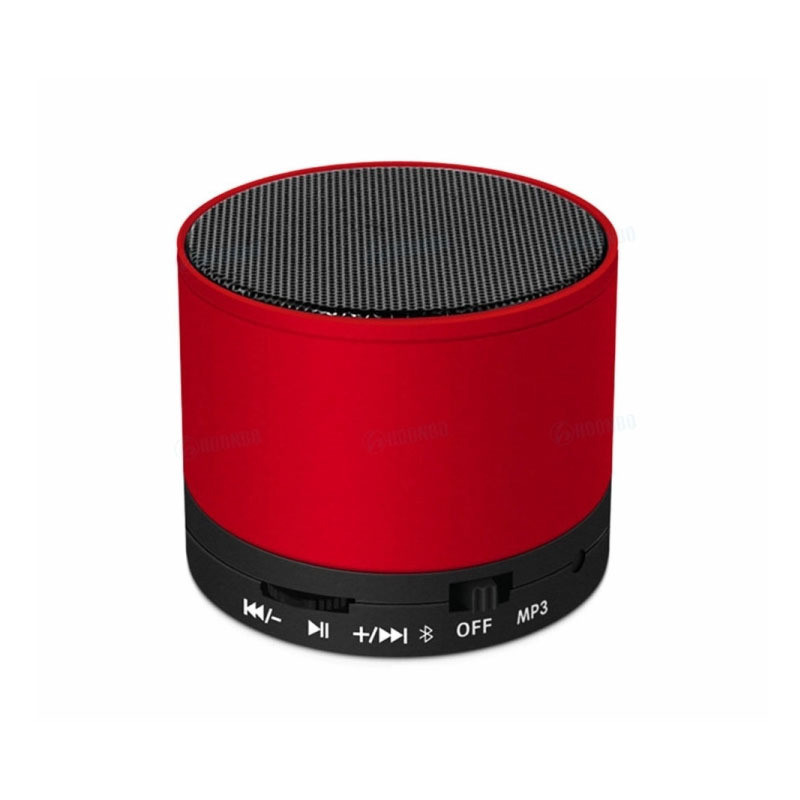
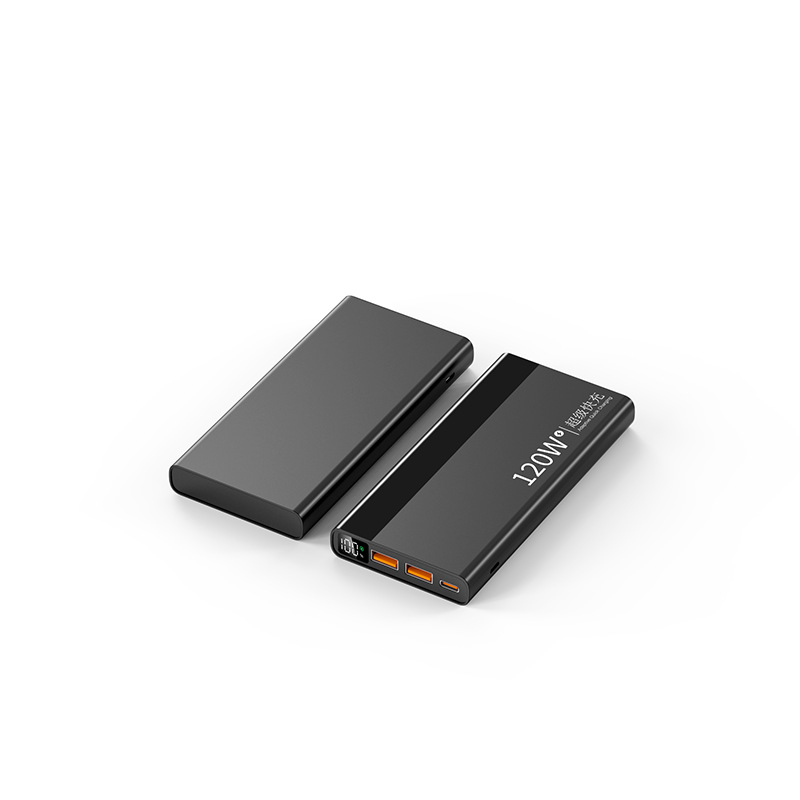
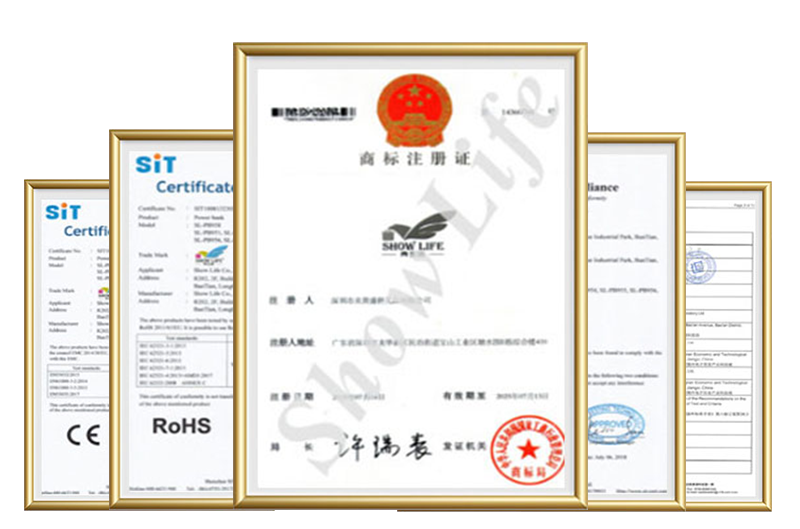
Our focus is on designing and manufacturing electronic products with high quality, such as USB Flash Drives, Power banks, Bluetooth speaker, Charging cable etc. At the same time, we supply OEM & ODM services to whole world clients, and we have some individual innovation design patent products, some of them passed CE, ROHS, FCC certification. we can supply high quality, low-cost products for you.
Product and Certificate
Our company continue to develop new product, plant technology strength, and has a large number of senior engineers and professional technical personnel, products research and design, product solutions closely convergence, strict quality management. Ensure a stable and excellent product, we try to provide customers with satisfied products. Our good service is favor by lot large customer deeply in many years.
Quality is our factory culture. Our QC 100% recheck each products before shipping. Certified with CE, ROHS, FCC, UN38.3, MSDS, BV certification of power bank for SA and other certificates.
Our Service
With well-trained staffs and professional production equipment, We strives to provide:
- 2-3 years warranty for all products.
- Your company logo/brand can be customized print / laser or shaped with PVC material.
- Urgent orders (24 HOURS rush delivery) and small orders are accepted.
- Mutually beneficial policies such as refunding money to long-term clients.
- Free samples and free artwork design.
- 24 hours online support, ensuring your questions are answered promptly.
- Redo and replace new products for you in the rare event of defective items.